Hey Jully: A Handwritten Typeface for Modern Web Design
Fonts are the unsung heroes of digital design. They shape how users perceive a brand, influence readability, and contribute to the overall visual rhythm of a website or app. When it comes to finding a typeface that balances elegance with approachability, Hey Jully stands out as a strong contender. This handwritten font, developed by Script Amp, brings a fresh yet timeless style to creative projects, making it an excellent choice for designers who want to add warmth without sacrificing professionalism.
The Visual Personality of Hey Jully
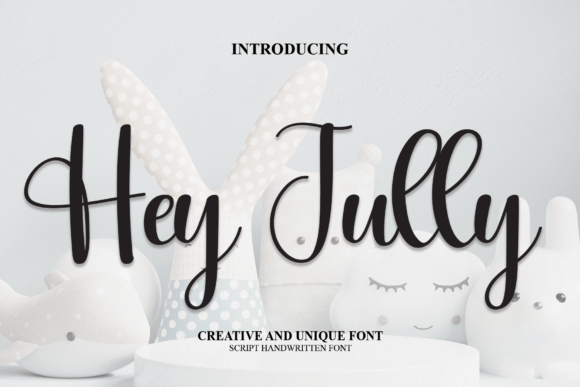
Hey Jully is more than just a pretty script — it’s a handwritten typeface designed to reflect a natural, human touch while maintaining clarity on screen. The strokes flow smoothly, mimicking the cadence of a personal note or signature. Its letters feel intentional, expressive, and confident, which makes it ideal for contexts where you want to evoke trust, creativity, or a personal connection.
This font doesn’t lean too heavily into cursive exaggerations or overly decorative elements. Instead, it offers a clean, modern script font that retains legibility even at smaller sizes — something not all handwritten fonts manage well. It has subtle variations in weight and spacing that help it adapt across different design environments, from high-contrast dark backgrounds to minimalist light themes.
Using Hey Jully in Website Headers and Hero Sections
One of the best places to use Hey Jully is in hero sections or main headers. These areas demand attention and emotional impact, and this premium font delivers both. For example, if you're designing a landing page for a lifestyle brand or a boutique online store, using Hey Jully for your headline can instantly elevate the tone and make the content feel more authentic.
Here’s a practical tip: when placing Hey Jully in a hero section, ensure the background is either solid or subtly textured to avoid competing with the delicate curves of the letterforms. Pairing it with a bold sans serif body font helps maintain contrast and keeps the layout scannable. That balance between a creative font and a functional one is key to user engagement.
Creating Strong Visual Hierarchy with Hey Jully
In any well-designed web layout, visual hierarchy guides the user’s eye toward the most important elements. Hey Jully excels in creating focal points due to its organic shape and expressive nature. Use it for subheadings, call-to-action buttons, or featured titles to draw attention and emphasize key messages.
For instance, in a product launch page, you might use Hey Jully for the title line and a secondary sans serif like Montserrat or Lato for supporting text. This pairing ensures the headline feels inviting while the rest of the content remains easy to read and digestible. It's a great way to blend modern typography with editorial clarity.
Hey Jully in Brand-Focused Web Experiences
If your project revolves around branding — such as a portfolio site, coaching platform, or SaaS startup — then Hey Jully can be a powerful asset. Its handwritten font personality lends itself well to brands that prioritize authenticity and a human-centric tone. Think of it as the digital equivalent of a warm welcome sign or a carefully crafted invitation.
Consider using Hey Jully in logo text or taglines. Because it’s a display font, it works beautifully in large formats but still holds up in smaller applications like nav bars or footers if used sparingly. It adds a unique identity that sets your design apart from generic templates.
Readability and Responsive Design Considerations
While Hey Jully is visually appealing, it's crucial to apply it thoughtfully. As with all script fonts, readability can become an issue at smaller sizes or in dense blocks of text. However, because it’s designed with a clear structure and consistent stroke width, it performs better in responsive layouts than many other handwritten typefaces.
- On mobile screens, use Hey Jully for short phrases rather than long paragraphs.
- Ensure sufficient contrast against the background — especially on dark modes or image overlays.
- Avoid using it in small buttons unless the context is purely decorative (e.g., a "Shop Now" button on a themed banner).
- Optimize font size and leading to enhance legibility in content sections.
When applied correctly, Hey Jully maintains its charm across devices without compromising usability. It's a perfect fit for brand-focused web experiences where aesthetics and function must coexist.
Font Pairing and Layout Rhythm
Font pairing is essential to achieving a harmonious layout. Hey Jully pairs well with both serif and sans serif fonts depending on the desired mood. For a more editorial or blog-style layout, consider combining it with a clean serif like Merriweather or Georgia. In a tech-driven or minimalistic UI, a sans serif like Inter or Roboto would work best.
Let’s say you’re building a course sales page. You could use Hey Jully for the headline of each module, paired with a neutral sans serif for descriptions. This approach creates a rhythm that's engaging but not overwhelming. It also reinforces the idea of a handwritten font being used to highlight personalized learning or mentorship-based content.
Hey Jully in Supporting Typography
Though primarily a display font, Hey Jully can sometimes play a role in supporting typography when used intentionally. For instance, in a digital brand kit, you might use it for quote boxes, testimonials, or sidebar highlights. It works particularly well in blog headers, podcast titles, or social media graphics where the goal is to capture attention quickly.
Its versatility allows it to be used in a variety of ways, including:
- Hero headlines for creative portfolios
- Call-to-action statements on landing pages
- Decorative accents in marketing banners
- Logo text for startups and small businesses
- Section headings in magazine-style websites
- Quote displays on blog posts or about pages
Just remember: always keep the user experience in mind. Overuse can dilute the impact and affect scanning behavior. Hey Jully should complement the layout, not dominate it.
Commercial Licensing and Real-World Applications
When working with clients or managing commercial projects, licensing matters. Hey Jully is available as a commercial font, making it suitable for websites, online stores, digital products, and brand assets. Whether you're designing for a client's online shop or developing a new SaaS landing page, you can confidently incorporate this typeface knowing it supports your business needs legally and creatively.
Some designers also use Hey Jully in their design assets for social media templates, email headers, or downloadable content. Since it's a premium font, it often comes with multiple weights, alternates, and multilingual support — which is vital for international audiences or niche markets.
Real Examples of Hey Jully in Action
Here are a few real-world scenarios where Hey Jully shines:
- Creative Portfolio Sites: Showcase your work with a custom header or a signature-style closing statement.
- Boutique Online Stores: Use it in product names or promotional banners to create a personal shopping experience.
- Coaching Websites: Highlight mission statements or key benefits with a welcoming, handcrafted look.
- Course Sales Pages: Add it to section titles or testimonials to build a sense of intimacy and trust.
- Blog Headers: Create a unique masthead or feature quotes with a soft, elegant script.
- Digital Brand Kits: Incorporate it into logo mockups, stationery, or branded PDFs for a cohesive visual language.
Each of these uses leverages the font's ability to convey a specific tone — whether it's inspiration, luxury, or approachability. And since it's part of the Script Amp collection, it fits seamlessly into a broader set of design tools aimed at enhancing typographic expression.
Designing with a Timeless Handwritten Font
Hey Jully isn't just another trend-driven typeface. It has a timeless quality that bridges the gap between casual and professional. This makes it suitable for both contemporary designs and more traditional editorial styles. Its clean lines and balanced proportions allow it to sit comfortably alongside photography, illustrations, and minimalist interfaces.
For UI designers working on app screens or interactive platforms, Hey Jully can serve as a delightful accent in microcopy or modal windows. But again, restraint is key — only use it where it enhances the message, not where it might hinder clarity.
As a designer, I’ve found that the best results come when I treat Hey Jully as a strategic element rather than a decorative flourish. It can guide user behavior, reinforce brand voice, and add a layer of sophistication to otherwise flat layouts.
Tips for Mobile and Dark Mode Optimization
Mobile responsiveness is non-negotiable in today’s digital landscape. Here’s how to ensure Hey Jully looks great on every device:
- Use larger font sizes on mobile for headers and buttons to preserve legibility.
- Test it under various lighting conditions, especially for dark mode compatibility.
- Ensure adequate padding and spacing around text to prevent overcrowding.
- Opt for lighter weights when using it over images to avoid overpowering visuals.
These adjustments will help maintain the font’s elegance while ensuring it functions effectively in all viewing environments.
Conclusion: Hey Jully as Part of Your Digital Toolkit
Hey Jully is a versatile handwritten font that blends personality with performance. It’s not just for show — it’s built to work in the dynamic world of web design, helping you craft layouts that are both beautiful and functional. From landing pages to logo design, this typeface offers a level of nuance that elevates the user experience and strengthens brand identity.
Whether you're looking to inject some warmth into a cold interface or build a distinct visual character for your next project, Hey Jully provides the right mix of charm and control. Just pair it wisely, respect its role in visual hierarchy, and ensure it aligns with your brand’s tone. With the right application, it becomes more than a font — it becomes a conversation starter.